In the upcoming local elections, Aucklanders will decide who will sit at the decision-making table of Auckland Council and across the city’s 21 local boards for the next three years.
While national politics often gets the spotlight, it’s local government that shapes many of the day-to-day realities that affect community wellbeing.
From the safety of neighbourhood parks to the quality of our footpaths, from the design of public spaces to the availability of drinking water, local government decisions touch our lives constantly.
They also determine how well our communities can access fresh, healthy food and that’s where Healthy Auckland Together (HAT) comes in.
Healthy Families South Auckland has been a key member of HAT for several years, aiming to enhance the places Aucklanders live, learn and work so to better support physical activity and balanced, healthy diets.
HAT’s Food Environments group is a collaboration of more than 20 organisations committed to improving the health and wellbeing of Aucklanders, and particularly their food environment.
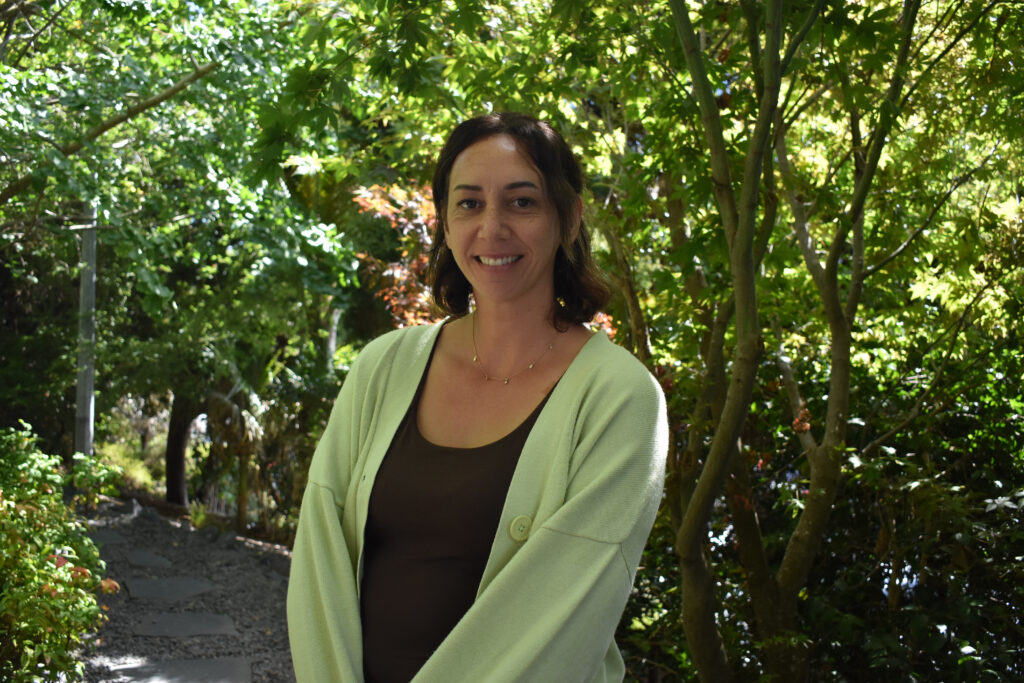
“A food environment isn’t just about where you do your weekly grocery shop, it’s about whether nutritious food and drinks are accessible and affordable, and letting communities have a real say in shaping their surroundings, like creating and maintaining community gardens and food hubs over another fast-food outlet in their neighbourhood,” says HAT Food Environments group co-chair and Healthy Families South Auckland Systems Innovator Mel Goodwright.
“For the past decade, Healthy Auckland Together has worked alongside communities to make healthy choices the easiest choices. We’re pushing for these policies because they tackle the root causes of poor health – our food and drink environments. If candidates back these changes, they’ll be supporting proven, practical steps that give communities greater control over their wellbeing.”
This election, HAT is calling on candidates to support three evidence-based policy changes that would directly benefit community wellbeing. These are:
Supporting community kai growing spaces
While the Auckland Unitary Plan allows for community gardens, it does not fully enable urban agriculture, such as small-scale farms or allotments, within urban zoning. Simplifying approval processes and protecting long-term kai growing spaces would help communities grow nutritious food locally, reduce waste and strengthen resilience.
Restricting unhealthy food and drink marketing
Currently, 83% of food and drink ads near schools promote unhealthy products, with children seeing an average of 68 junk food ads daily. Other places including Great Britain, South Australia and Portugal have successfully reduced children’s exposure through targeted advertising bans on public transport, council-owned spaces and around schools. Auckland could do the same.
Improving access to free public drinking water
Over half of Aucklanders say they would drink more water if fountains were more available, yet bottled sugary drinks remain easier to find than clean public water stations. Increasing the number, quality and visibility of water fountains, especially in areas with low access, would support both health and environmental goals.
These changes would not only help reduce health inequities but also align with Auckland Council’s commitments under the UN Sustainable Development Goals, the C40 Cities initiative for sustainable food environments, and Auckland Plan 2050 outcomes.
“Local elections are much more than voting on rates or bylaws,” says Healthy Families Manager Matt Appleyard.
“They’re about who will champion the everyday needs of communities. These elections ensure local representation delivers for community wellbeing because healthy, connected communities are the foundation of a thriving Tāmaki Makaurau.”