
Mapping Māngere’s food system helped build a clearer picture of the complex factors influencing access to healthy, affordable and culturally appropriate kai. But understanding the system was only the first step.
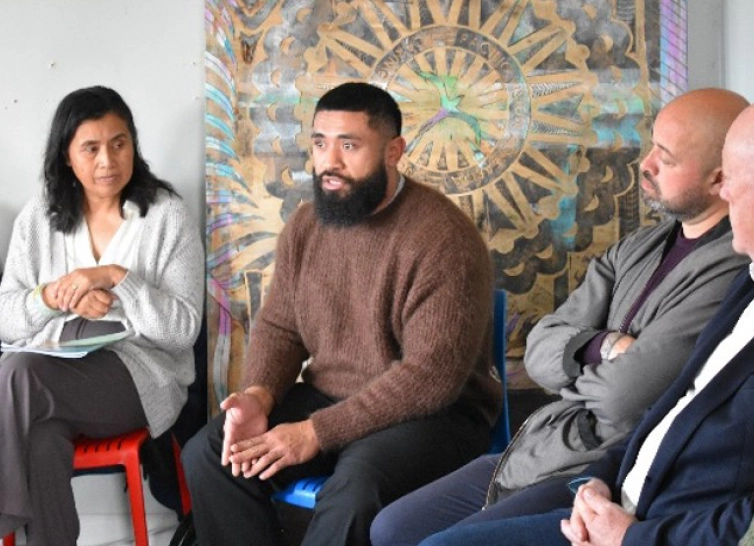
Healthy Families South Auckland and partners have since taken those findings back to communities across Māngere and South Auckland to test what they heard, deepen the picture and identify where action should focus.
Now, with clearer community-backed priorities, the work is shifting from understanding the system towards influencing what happens next.
Through five community engagements, local groups, community and faith leaders, marae, Māori and Pacific organisations, service providers and food system stakeholders were invited to reflect on the findings and identify the changes that matter most.
Three strong priorities emerged: strengthening local food systems, building community capacity and addressing the industrial food environment.
Communities called for greater support for locally led solutions, including food hubs, community gardens, food rescue initiatives, churches, marae and social enterprises. They also highlighted the importance of investing in Māori and Pacific knowledge and leadership, increasing access to land for food production, creating healthier food environments and strengthening community influence over decisions affecting the food system.
The work is now moving from understanding the system towards influencing what happens next. The community-backed priorities provide a stronger foundation for future advocacy, partnerships, investment and policy conversations, while keeping community knowledge and leadership at the centre.