More than what we eat:
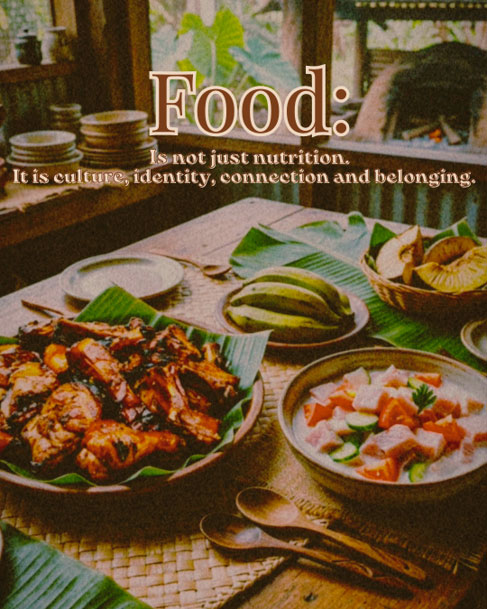
During a talanoa night, our team set out to better understand how a small group of Pacific participants viewed food and the way it is shared within homes and families. What emerged was a powerful reminder that food is about much more than nourishment. Certain meals and dishes carried deep meaning, connecting people to family, identity, and experiences that have stayed with them throughout their lives.
One participant shared how eating fish brings a sense of joy and gratitude. Their father was a fisherman, and fish was a regular part of family life. As a child, they did not fully appreciate what that meant. Now, as an adult, each meal serves as a reminder of the sacrifices their parents made to ensure the family was cared for and well fed. With the rising cost of fish, being able to provide it for their own family carries even greater significance.
Another participant reflected on life in the plantations. After long days of physical labour, they would walk home to the smell of a barbeque being prepared for the village. It was more than a meal waiting at the end of the day. It represented appreciation, togetherness, and the collective care of a community. Decades later, that same smell still evokes those feelings.
While life in South Auckland looks very different, many participants described similar experiences. Men working physically demanding jobs spoke about returning home on a Friday or Saturday evening to the smell of food on the barbeque. For them, it represents the same sense of care, connection, and belonging they experienced growing up, now reflected through their own families.
What we heard through talanoa challenges a common assumption often made within health systems. Food is frequently discussed through the lens of nutrition, risk factors, and individual choices. Yet for many Pacific families, food also carries stories, identity, culture, and connection. When these dimensions are overlooked, health initiatives can fail to resonate with the very communities they aim to support.
This insight is shaping how Healthy Families South Auckland approaches food systems change. While nutrition remains important, our conversations highlighted the need to understand the wider role food plays in people’s lives. Clinical and behaviour-focused approaches have been part of the health landscape for decades, yet rates of chronic illness remain high within Pacific communities. If we want to create meaningful change, we must first understand how people experience food, what it represents, and the role it plays within families and communities.
By listening to community voices and valuing cultural knowledge, we can help shape approaches that support healthier lives while honouring the traditions, relationships, and values that food represents.
Through talanoa, our community reminded us that food is far more than what we eat. It is a way of expressing love, strengthening relationships, and passing culture from one generation to the next. As we continue this work, these stories challenge us to create food initiatives and health conversations that recognise the full meaning of food in Pacific communities, not just its nutritional value.
We are more than what we eat.