
As Mental Health Awareness Month ends, Auckland Council’s Healthy Families South Auckland is reflecting on a year of positive impact in the wellbeing space.
Over the past 12 months, the team has been working alongside schools, whānau and community partners to strengthen the systems that support mental wellbeing for rangatahi.
Such work is important as data from Ministry of Health shows in 2021/22, nearly one in four (23.6 %) young people aged 15–24 years experienced high or very high levels of psychological distress, up from 11 % in 2020.
Healthy Families South Auckland Systems Innovator Mel Goodwright says much of the team’s focus has been on strengthening the capability of local Auckland groups already leading the way in mental health and wellbeing.
“We’re proud to work alongside organisations who are deeply connected to their people and communities,” she says. “Our role is about building their capability so they can create even greater outcomes. By aligning efforts and sharing tools, we’re helping amplify what’s already working across South Auckland.”
Digital support for wellbeing
In South Auckland, the Manawa app is giving whānau a simple, effective way to support their own mental wellbeing.
The app, originally developed by the Mental Health Foundation of New Zealand in partnership with Counties Manukau Health’s Suicide Prevention team, helps users create a personal safety plan they can turn to when times are tough.
After connecting with the Counties Manukau Health team, Healthy Families South Auckland began supporting the app’s re-development, helping strengthen its reach and cultural relevance across community settings. Since its release earlier this year it has been downloaded nearly 5,000 times.
Healthy Families South Auckland Systems Innovator Mel Goodwright says the partnership has opened new opportunities to support mental wellbeing in ways that feel grounded and local.
“Firstly, it’s about making these tools more accessible and meaningful for whānau, but it’s opened the door for us to collaborate more closely in the mental health space.”
Rangatahi finding strength through culture
At Rosehill College, the Mauri Tau programme, co-delivered with The Kindness Institute, is helping rangatahi develop emotional awareness and self-confidence through indigenous approaches.
Each session weaves karakia, te hā (breathwork), waiata Māori, and tākaro (play) with modern mindfulness and yoga practices, grounding wellbeing in Te Whare Tapa Whā and mātauranga Māori.
Initial feedback from teachers shows students are opening up, supporting each other, showing promise for greater emotional resilience, and the students have not missed a session – highlighting their enthusiasm and engagement for the programme.
A full evaluation of the pilot will be completed in early 2026.
Connecting families through active movement
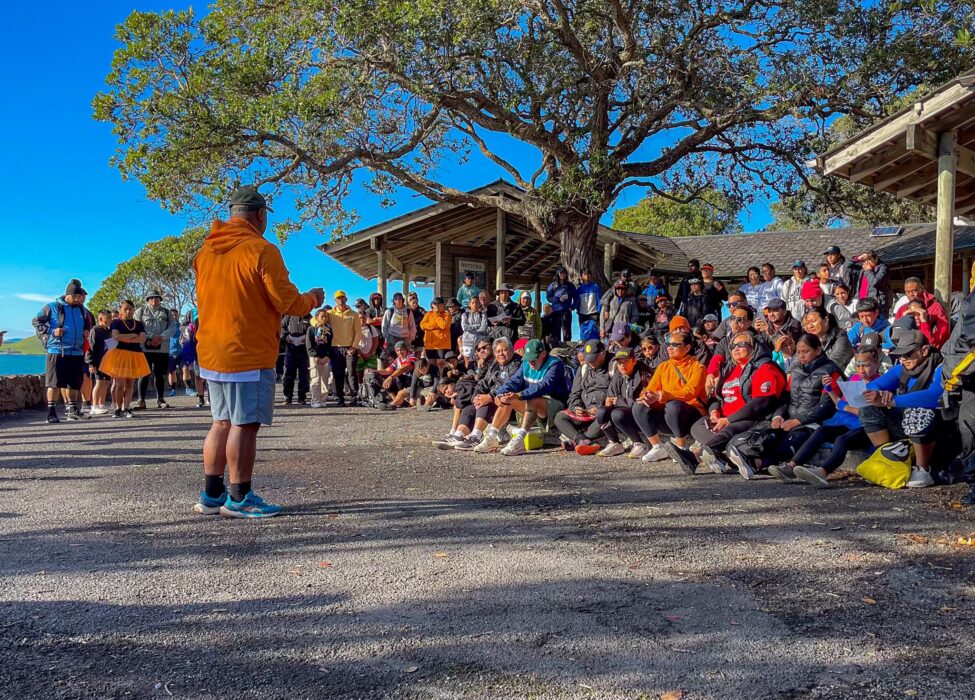
Healthy Families South Auckland has also teamed up with Project Wy to co-design Project Wy Niu Growth, a 10-week programme helping Pacific students and their parents boost their health and wellbeing together.
Grounded in Pacific values of va (relational space) and tautua (service), families take part in activities that promote movement, healthy kai and mental wellbeing. A rewards system encourages whānau to get active in their local parks and Auckland Council facilities, strengthening connections with their communities.
Lead Systems Innovator Ray Tuala says the programme is about connection as much as fitness.
“We’ve seen parents and children celebrating milestones together by walking, swimming, playing sport, and sharing those moments with pride. When families take that journey side by side, it strengthens everyone.”
The programme wrapped up with participating families taking on a half marathon in August.
Healthy Families South Auckland manager Matt Appleyard says that these initiatives show the potential of systems change in the mental health space.
“By embedding indigenous and Pacific knowledge, harnessing digital tools, and empowering communities to lead, Healthy Families South Auckland and Auckland Council are helping create conditions for whānau to thrive now and for generations to come.”